
Merchandise Collecting for Music Lovers
Fans collect music merchandise to feel closer to artists and preserve moments from concerts or album releases. Signed records, original tour posters, and clothing worn on stage stand among the most prized items. While most collectibles sell for less than $100, rare finds like a handwritten lyric sheet or an early pressing from a famous artist can command thousands at auction. The value often depends on condition, age, and whether the item came directly from the band or was widely available in stores. Some pieces, especially those made in small numbers or tied to a landmark event, become highly sought after as years pass. Others never gain worth, even after decades, if too many copies exist or the artist's popularity fades.
What makes music merchandise valuable
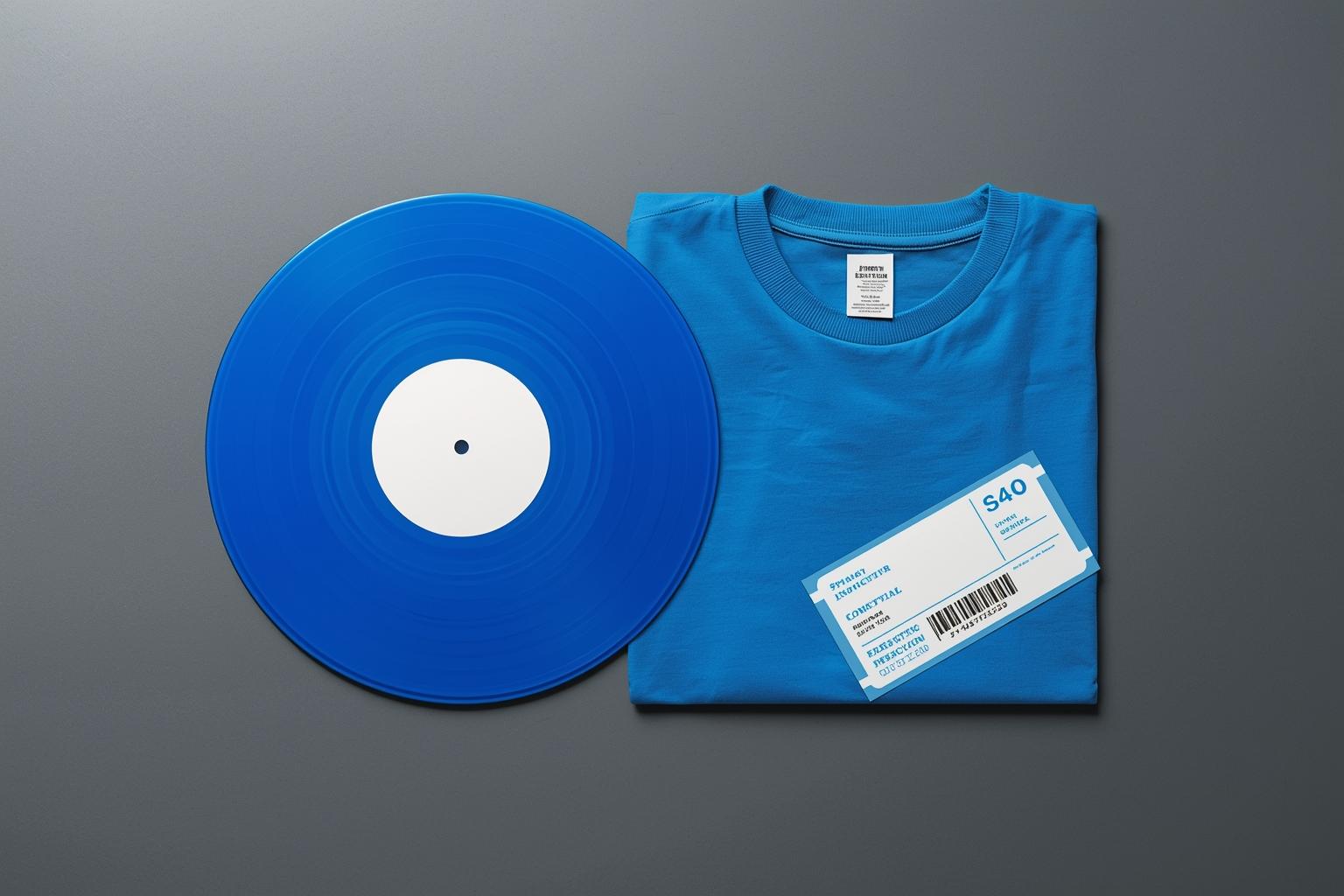
Scarcity drives demand in music merchandise. Limited releases, early pressings, and signed items consistently attract higher interest among collectors. Condition matters just as much, with pristine packaging or untouched tags making a noticeable difference.
A tour shirt from an artist’s breakout year, kept in mint condition, will usually fetch more than a mass-produced item from a reunion tour. Artist popularity can spike after a major event, causing previously ignored memorabilia to surge in value overnight.
Authenticity remains crucial. Items with verifiable provenance hold value, while reproductions or undocumented goods rarely command sustained collector attention over time. Misunderstandings arise when mass-market items are mistaken for rare finds.
How to spot authentic collectibles
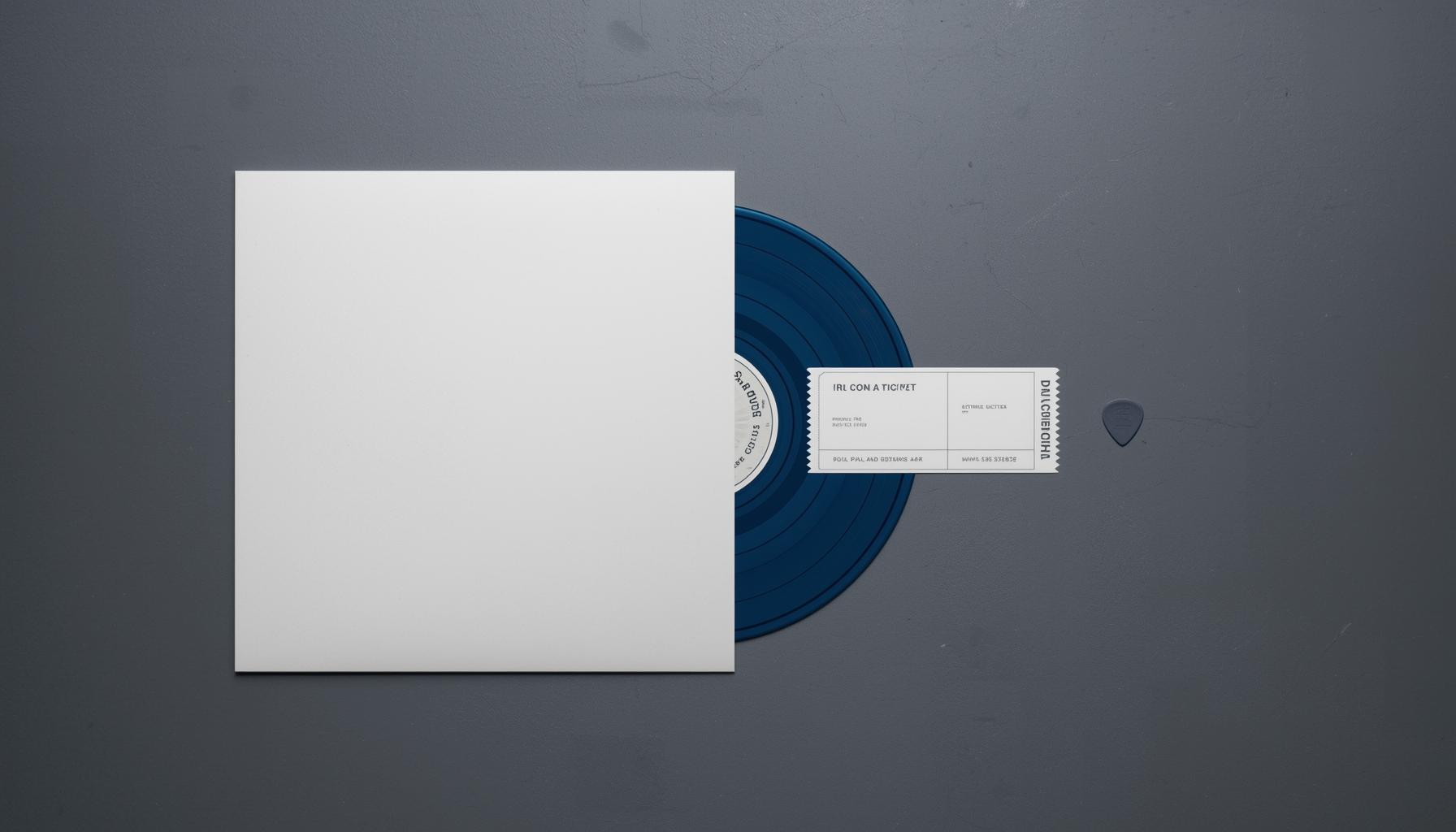
Signed albums with clear provenance command far higher prices than generic reissues, and every collector knows the market is flooded with counterfeits. Authenticity impacts both sentimental value and potential resale, since fakes can undermine an entire collection. Trustworthy documentation and expert verification create a clear separation between genuine memorabilia and clever imitations.
Recognizing official merchandise marks
Unauthorised concert shirts and imitation tour posters often lack any credible proof of their origin. The difference between an item produced under an artist’s supervision and a knockoff usually comes down to a few physical details that counterfeiters frequently overlook or fake with poor quality. The following marks help distinguish authentic band and artist merchandise across different releases and eras:
- Official label or tag – sewn or stamped with the artist’s logo and tour name, sometimes including a manufacturing date or country of origin
- Holographic sticker – applied by many post-2000 acts, this heat-sealed strip shifts color or pattern at certain angles and cannot be removed without visible damage
- Unique serial number – printed directly onto the item or its packaging, with each number corresponding to a specific run or batch and often checked against an official database
- Certificate of authenticity – included with high-value or signed items, this document bears the artist’s or label’s mark, a signature, and details about the production run
- Vintage-era embossing or woven patch – present on classic items from the 1970s and 1980s, these are integrated into the fabric or material, not glued or ironed on
Collectors sometimes misjudge authenticity based on the presence of a generic barcode or retail tag, which proves nothing about official backing. Authentic marks are always consistent with the artist’s branding and are rarely found on cheap imitations.
Researching seller reputation online
Music memorabilia listings on social sites and major auction platforms show visible differences in seller reliability. Payment protections and the presence of buyer feedback change the risk profile for rare record purchases or vintage band shirts. Some platforms encourage trusted sales, while others leave collectors exposed to unverified vendors.
| Platform type | Seller history display | Typical red flag | Seller communication | Dispute process |
|---|---|---|---|---|
| Large auction website | Full sales log with feedback and ratings | Sudden wave of negative reviews | Prompt, uses platform messaging | Structured claim system with staff intervention |
| Music collector forum | Thread of past transactions, sometimes informal references | No past sales or feedback from known members | Often direct, can provide provenance stories | Moderated by volunteer admins, slower response |
| Social media marketplace | Sparse seller data, few visible reviews | Multiple listings copied from other profiles | Limited, often delayed or evasive replies | Buyer protection depends on payment method |
| Niche vinyl store online | Sales record shown, but often no external ratings | Mismatch between item photos and description | Detailed, offers item specifics or extra images | Resolution through store support, refund policy posted |
| Peer-to-peer payment app | No integrated seller ratings or transaction history | Asks for payment marked as 'friends and family' | Minimal, usually off-platform chat | Difficult to recover funds, app offers minimal mediation |
Assuming every platform screens sellers equally often leads to costly mistakes. A missing feedback record or inconsistent communication signals higher risk than a low price tag.
Provenance, expert opinion, and reliable sellers remain the core safeguards against forgeries in music memorabilia. Researching each item's background and obtaining documentation can shield a collection from costly mistakes.
Why some items never gain value
Many music-related items expected to appreciate in value remain stagnant for decades after release. The factors blocking appreciation often have little to do with age or rarity alone. Several recurring causes explain why certain merchandise fails to attract serious collectors:
- Flooded market – thousands of identical tour shirts from major acts
- Unwanted formats – cassette singles or minidiscs that few collectors seek
- Common promotional items – mass mailout posters with no tour or artist signature
- Condition problems – surface scratches, rips, stains, or missing inserts
- Generic design – merchandise lacking a clear connection to a specific event or era
Overlooking these factors can lead to disappointment when items do not sell or trade. Targeting pieces tied to meaningful moments or limited releases improves future value.